Utility BlocksCraftable

Light Blue Concrete Powder

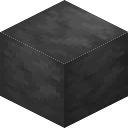
Light Blue Concrete Powder is a gravity-affected light blue block that hardens into solid Light Blue Concrete when it comes into contact with water.
Stack Size

64

Durability

N/A

Category

Utility Blocks

Version Added

1.12

Item ID

light_blue_concrete_powder

Light Blue Concrete Powder at a glance

Light Blue Concrete Powder comes from crafting, and Utility Blocks is where it sits as a block. Stack Light Blue Concrete Powder 64 high: 576 across a hotbar, 1728 in a shulker box, and 3456 in a double chest.

Light Blue Concrete Powder owes its colour to light blue dye. A blue orchid gives one. Mixing one blue dye with one white dye makes two. Breaking Light Blue Concrete Powder works against a hardness of 0.5. Reach for a shovel if you want Light Blue Concrete Powder fast; the wooden one already drops it. There is no second figure for Light Blue Concrete Powder; explosions meet 0.5 too. It sits between Light Blue Concrete and Light Blue Stained Glass in Utility Blocks, number 177 of 340 there.

Crafting recipe

Crafting
Light Blue DyeLight Blue Dye
SandSand
SandSand
Light Blue Concrete PowderLight Blue Concrete Powder8
Recipe data from Astroworld Crafting, where Light Blue Concrete Powder has the grid for Light Blue Concrete Powder

How to obtain

  • Crafting

Notes

Shapeless: 1 dye + 4 sand + 4 gravel make 8 powder. Falls like sand and turns to concrete in water.

Frequently asked questions about Light Blue Concrete Powder

  1. Light Blue Dye, Sand, Gravel going into Light Blue Concrete Powder, the recipe this answer describes

    How do you get Light Blue Concrete Powder in Minecraft?

    Light Blue Concrete Powder is crafted from Light Blue Dye, Sand, and Gravel at a Crafting Table, and each craft returns 8.

  2. Light Blue Concrete Powder on its own, since nothing in the game is crafted from it

    What is Light Blue Concrete Powder used for?

    Light Blue Concrete Powder is a gravity-affected light blue block that hardens into solid Light Blue Concrete when it comes into contact with water.

  3. 64 Light Blue Concrete Powder drawn together, the full slot the answer counts

    How many Light Blue Concrete Powder can you stack?

    64 Light Blue Concrete Powder fills a slot, and that slot costs 8 Light Blue Dye, 32 Sand, and 32 Gravel, since each one returns 8, which is 8 crafts at the crafting table.

  4. Light Blue Concrete Powder as a block, next to the shovel its 0.5 hardness asks for

    How long does Light Blue Concrete Powder take to break?

    0.5 hardness is one number on Light Blue Concrete Powder, and 0.5 blast resistance is the other number on it. With both figures at 0.5, Light Blue Concrete Powder is not something you rely on for protection. Reach for a shovel if you want Light Blue Concrete Powder fast; the wooden one already drops it. Java 26.2 records Light Blue Concrete Powder with the numbers above, and it keeps them here.

  5. Light Blue Concrete Powder coming forward out of the past, in the game since 1.12

    When was Light Blue Concrete Powder added to Minecraft?

    Light Blue Concrete Powder was added in version 1.12.

  6. The light blue dye that goes into Light Blue Concrete Powder, beside Light Blue Concrete Powder itself

    What dye does Light Blue Concrete Powder need?

    Light blue dye is what Light Blue Concrete Powder needs. A blue orchid gives one for Light Blue Concrete Powder. Mixing one blue dye with one white dye makes two for Light Blue Concrete Powder.

Building with it

Light Blue Concrete Powder needs a blue orchid, which grows in swamps, or a blue dye mixed with a white one. It behaves like sand while it is still powder: it falls, it can be pushed by pistons, and it stays that way until water touches it, which is what makes it useful for filling deep water before the wall is even built.

In practice

Light blue concrete is one of the few blocks bright enough to work as a sky in pixel art. The powder falls like sand, which builders use deliberately: drop a column into water and it hardens in place, filling a shaft that would be awkward to reach.